

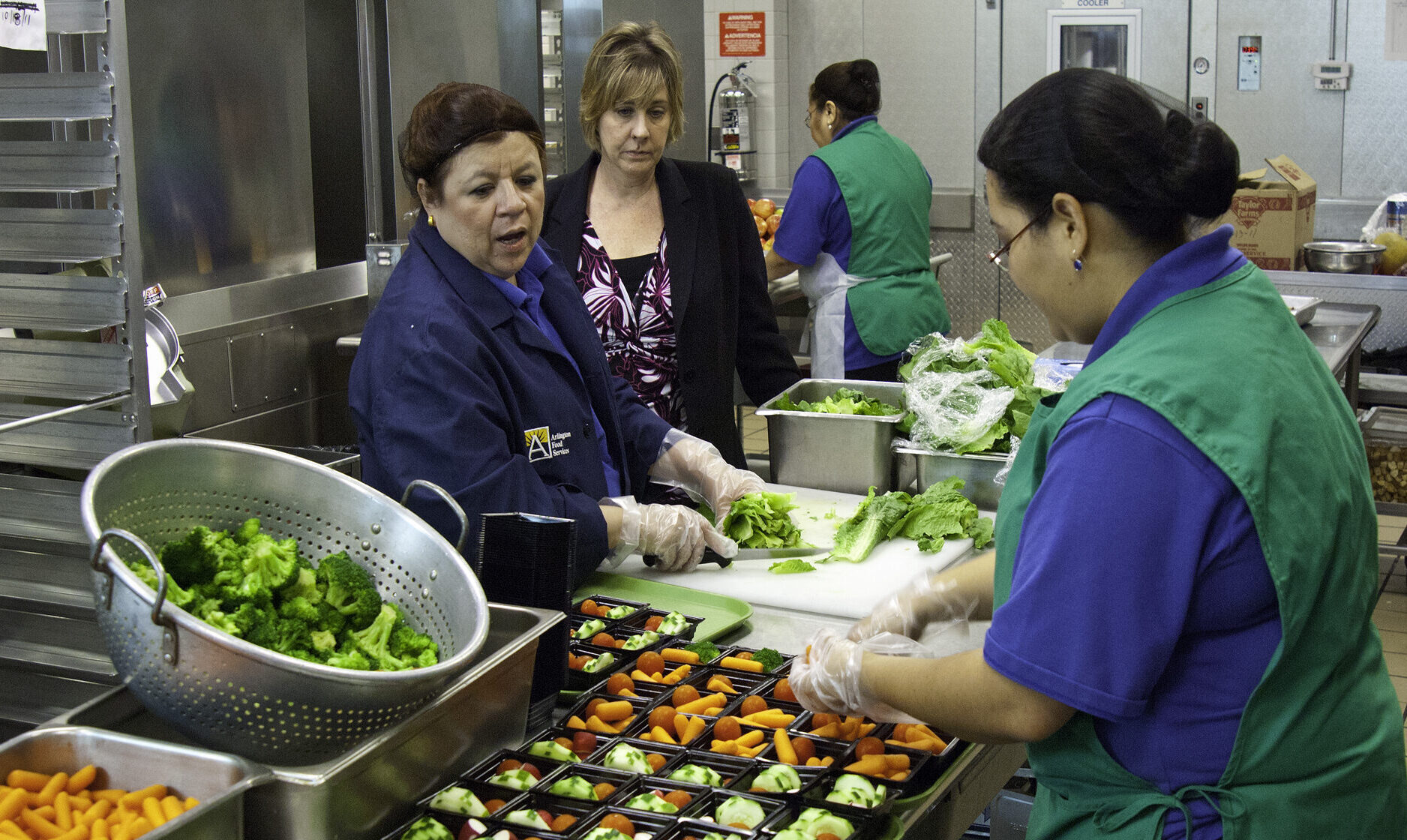
For four years, families in one district never had to think about school meal costs at all. Every student ate free under the Community Eligibility Provision, a federal program letting high-poverty districts offer universal free meals without collecting individual applications. This year, the district no longer qualifies, and the transition back to income-based eligibility has caught families genuinely off guard, revealing how much operational infrastructure districts quietly dismantle once CEP removes the need for it.
This is a genuinely instructive moment for districts nationwide, since CEP eligibility is reassessed periodically, and any district currently operating under it faces the same real risk of losing eligibility, often with less advance notice than families or staff fully anticipate.
How a District Actually Loses CEP Eligibility
CEP eligibility depends on a district’s Identified Student Percentage, a measure of students automatically qualifying for free meals through participation in other means-tested programs like SNAP or Medicaid. When this percentage drops below the required threshold, often due to genuine demographic shifts, a district can lose CEP eligibility even without any deliberate policy change. CEP status is not a permanent designation districts can simply assume will continue indefinitely once achieved.
What Districts Actually Lose Institutional Memory Around
After years without individual meal applications, a district’s nutrition services staff may have genuinely limited institutional memory of how to process income verification at scale, since the staff who managed this before CEP may have moved on, retired, or simply not exercised this capability in years.
“The district offered free school meals for the past four years through the Community Eligibility Provision but no longer qualifies for the federal program.”
Districts facing this transition need to essentially rebuild operational capability for application processing, income verification, and direct certification coordination, capability that may not exist in any current staff member’s active working knowledge.
Why Family Communication Requires Genuine Care
Families who have never needed to think about meal eligibility are not going to intuitively understand why this is suddenly changing, nor will they see a communication about it as urgent if it arrives through routine channels easily overlooked amid back-to-school volume. Districts need genuinely proactive, multi-channel communication specifically flagging this change as distinct from routine paperwork families have safely ignored for years, since some families may now owe meal costs they did not budget for, while others who would actually qualify may fail to apply simply because they assume no application is required.
The Broader Operational Ripple Effects
Meal program eligibility connects to other district functions easily overlooked until a CEP transition forces the connection into view. Title I funding calculations in some districts have historically used CEP-adjusted poverty metrics, meaning a loss of CEP status can have downstream effects extending well beyond the cafeteria. Districts navigating this well benefit from genuinely cross-functional planning, bringing together nutrition services, Title I coordination, and family communications rather than treating this as a nutrition services problem in isolation.
What Districts Currently Operating Under CEP Should Do Now
Districts currently benefiting from CEP status should treat this as a genuine planning prompt. Understanding a district’s own Identified Student Percentage trend, and how close it sits to the qualifying threshold, offers real, actionable insight into whether a similar transition might be approaching, giving leadership genuine lead time to prepare rather than scrambling reactively once a transition is already confirmed.
A Broader Pattern Worth Watching
This is not the only sector navigating a genuine collision between new policy and existing institutional structure this year. Higher education is facing a related structural collision too, since a new four-year visa cap is colliding directly with PhD programs that typically run considerably longer. Healthcare is navigating a related compliance shift too, since MIPS Value Pathways are replacing traditional MIPS reporting, and independent practices are about to feel the transition most acutely. Government agencies are facing a related legal uncertainty too, since a federal executive order aimed at blocking state AI laws is reshaping who government technology buyers actually need to answer to. And K-12 hiring reflects a related structural pressure too, since accelerating school closures are pushing veteran teachers toward the exit rather than into reassignment.
Losing CEP status after years of universal free meals is not simply a funding technicality. It requires districts to rebuild operational capability and family understanding that genuinely atrophied during a period when neither was needed. Districts currently operating under CEP should treat this as a real, actionable prompt to monitor their own eligibility trajectory now, well before any transition actually arrives.